
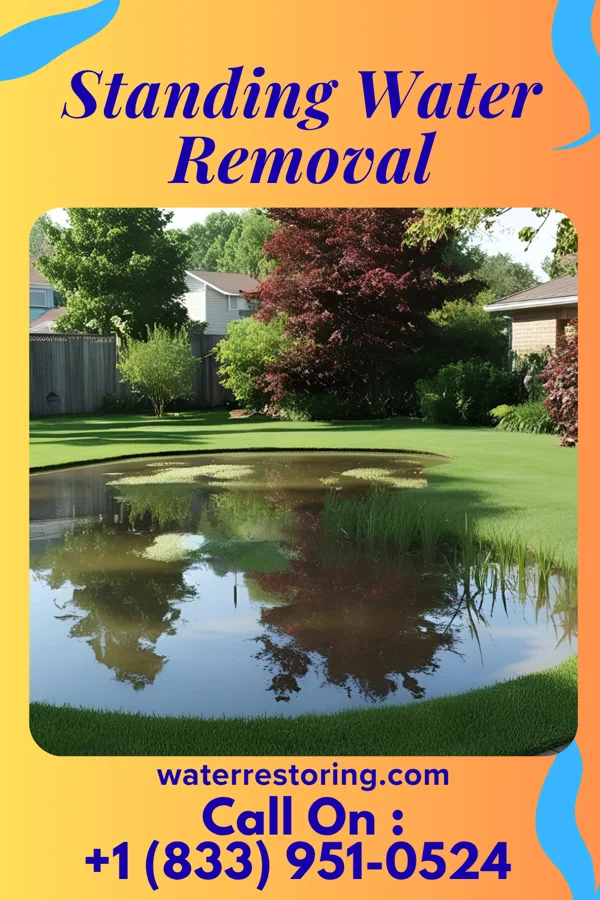
Standing Water Across Spring Lake Neighborhoods
Every neighborhood in Spring Lake has a different water damage risk profile. The one that shows up on most restoration calls is Spring Lake, Utah experiences primary water damage causes due to seasonal flooding from nearby rivers and heavy rainfall, particularly during spring thaw and summer storms. Additionally, the area's rural setting increases the risk of water intrusion from poorly maintained septic systems and drainage issues.. A close second is Secondary causes include water damage from burst pipes in older homes, leaking roofs due to high elevation and intense solar exposure, and groundwater seepage into basements of homes built on permeable soil..
Spring Lake's semi-arid climate with hot summers and cold winters contributes to fluctuating moisture levels in the soil, increasing the likelihood of sudden water infiltration. The area is also prone to flash floods during intense summer thunderstorms.
Water damage in Spring Lake follows a few local patterns. Spring Lake, Utah experiences primary water damage causes due to seasonal flooding from nearby rivers and heavy rainfall, particularly during spring thaw and summer storms. Additionally, the area's rural setting increases the risk of water intrusion from poorly maintained septic systems and drainage issues. accounts for the bulk of our calls. Spring Lake's semi-arid climate with hot summers and cold winters contributes to fluctuating moisture levels in the soil, increasing the likelihood of sudden water infiltration. The area is also prone to flash floods during intense summer thunderstorms. Mold growth in Spring Lake can occur rapidly due to the region's temperature extremes and humidity fluctuations, making swift water damage response critical to prevent health risks and structural damage.